
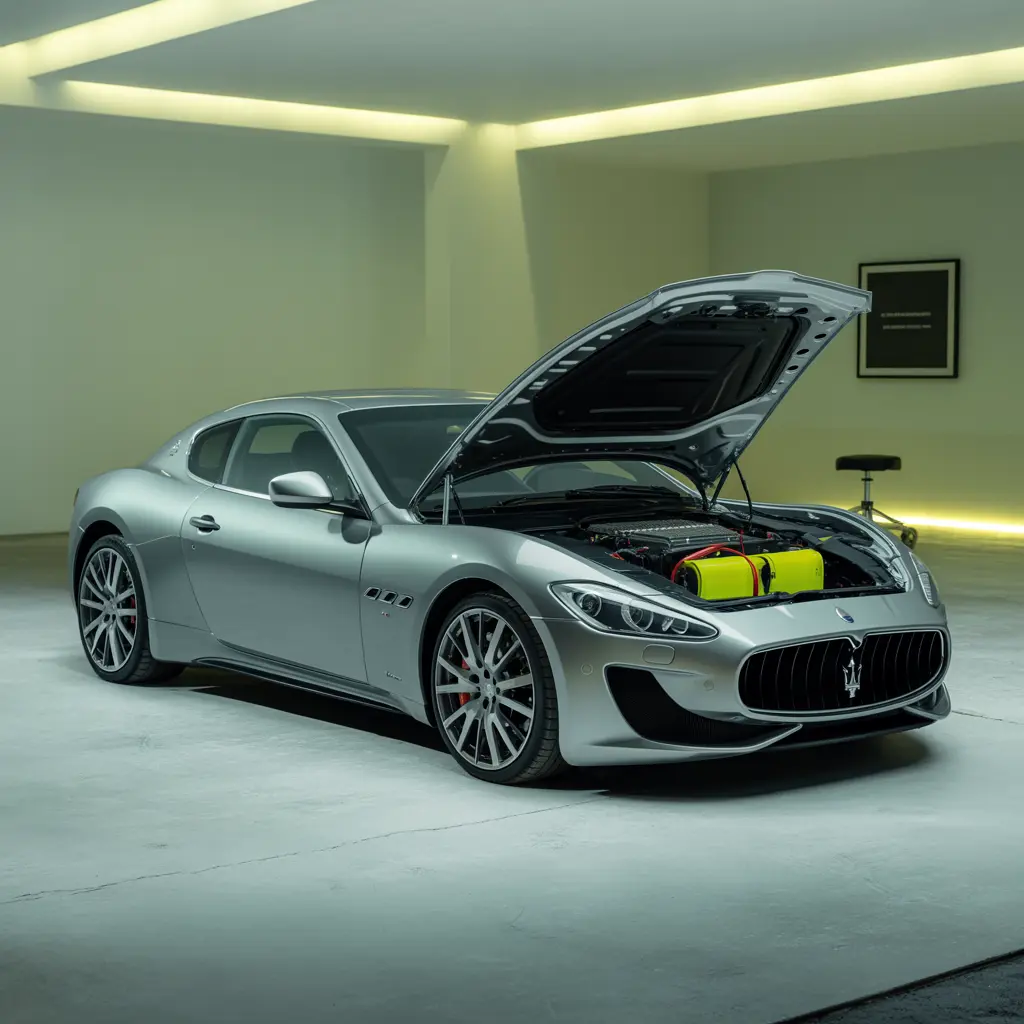
Maserati has long stood as a symbol of Italian luxury, performance, and design excellence. From the aggressive stance of the Grecale to the timeless curves of the GranTurismo, Maserati commands attention on the road.
Owning one of these vehicles is an experience, an emotion, and often a dream realized. However, like many luxury brands, Maserati’s blend of cutting-edge tech and refined machinery sometimes comes with quirks.
While the brand enjoys a reputation for performance and style, owners occasionally face issues that can sour the ownership experience.
The reality is that no vehicle is perfect, and with modern cars growing increasingly reliant on electronics and software, even premium automakers are not immune to faults. For Maserati owners, especially those with newer models, staying informed about common problems can help avoid frustration and reduce costly surprises.
Let’s look at some of the most common issues plaguing Maserati owners.
10 Common Maserati Issues and How to Fix Them
1. Keyless Entry Malfunctions
Many Maserati owners report that the keyless entry system is unreliable, either failing to unlock the doors entirely or working only when the key is held in a specific position. This issue typically arises due to poor calibration of proximity sensors or software glitches within the vehicle’s Body Control Module (BCM).
At times, owners have found themselves locked out even with a fully charged key fob. The problem becomes more frustrating when paired with unpredictable battery drain, suggesting the system stays active longer than necessary.
Users are advised to disable the passive entry feature as a temporary fix to prevent constant signal transmission. A long-term solution usually involves a dealership software update or a reset of the key recognition system. In some cases, replacing the door handle sensor or reprogramming the fob may also be necessary.
2. Battery Draining Too Quickly
Rapid battery depletion is a serious and commonly reported issue, particularly in newer models like the Maserati Grecale. Some owners experienced complete battery drainage within 48–72 hours of light or no use.
While there can be several reasons for draining battery, in Maseratis, this can be traced back to a high parasitic drain caused by background systems such as telematics, passive key detection, and infotainment modules that remain partially awake.
In particular, proximity sensors may repeatedly wake the car when the key is nearby, leading to consistent low-voltage situations. Affected users often find themselves jump-starting their Maserati more frequently than expected.
Maserati partially addressed this with software patches in 2023 to reduce idle system wake-ups. Until a complete solution is implemented, keeping the key fob away from the vehicle and using a trickle charger during long parking periods are strongly recommended.
3. Wireless Charger Not Functioning
Many owners of the Maserati Grecale have noted that the wireless charger fails to charge phones reliably or stops working after a short period.
Sometimes, the charging pad does not detect the phone or provides only intermittent charging, which can be frustrating during commutes.
This issue often stems from faulty coil alignment within the pad or compatibility mismatches with newer smartphones. Replacement parts are not always available promptly, with some users reporting wait times of up to six weeks for new modules shipped from Italy.
Until the issue is resolved, drivers must rely on USB-C ports or Bluetooth connectivity to charge and sync their phones. Ensuring the phone is centered perfectly and free of a thick case can slightly improve charging success rates. Ultimately, a permanent fix usually requires a hardware replacement by an authorized Maserati technician.
4. Suspension Air Leak or Compressor Failure (Levante & Quattroporte Air Suspension)
For models equipped with air suspension, such as the Levante and upper trims of the Quattroporte, failure in the air struts or compressor system is a common technical issue.
Owners report sagging ride height, “suspension fault” dashboard alerts, or vehicles leaning to one side. Diagnostic scans usually show compressor overwork or air springs’ failure due to leaks.
The culprit is often aged rubber bellows, cracked airlines, or a worn-out compressor unit.
The car Suspension service in Dubai involves identifying the leaking strut or line using a soap solution test and replacing the faulty component. Preventative maintenance includes periodically cycling the suspension and avoiding rough terrain when possible.
5. Trunk Kick Sensor Not Working
Several Maserati owners, especially those with the Grecale and Levante models, have experienced issues with the hands-free trunk kick sensor not responding as expected.
Users often hear a beep without actual movement of the trunk door when attempting to open the boot with a foot swipe. This could be due to misaligned sensors, poor software recognition of gestures, or even environmental factors like rain or dirt on the sensor.
Sometimes, the sensor module beneath the bumper may be faulty and require replacement. While this is a minor inconvenience, it becomes frustrating when your hands are full and manual opening is not feasible.
Owners report inconsistent performance even after software resets, which suggests a design flaw in the sensor’s placement or responsiveness. Until a proper fix is issued, using the key fob or internal trunk release remains the most reliable method.
6. Audible Alerts via Main Horn
One particularly unpleasant surprise for new Maserati owners is using the vehicle’s main horn for alerts rather than a soft chime or tone. This loud honk often occurs during locking or unlocking malfunctions or when doors are improperly shut.
It’s especially disruptive in quiet neighborhoods or early mornings when an unintended honk draws unnecessary attention. The root cause is often tied to the alarm and body control modules interpreting miscommunication between door latches and key sensors.
Disabling proximity locking features or changing vehicle settings in the infotainment menu can sometimes reduce the frequency of this noise.
However, not all models offer this level of customization, leaving some owners stuck with the default behavior. A visit to the dealership for reprogramming or firmware tweaks is often the only reliable way to eliminate these horn alerts.
7. Infotainment Freezes and Resets
Infotainment system reliability has been a concern across several Maserati models, with reports of freezing, random reboots, or full system crashes during regular driving. This affects not only entertainment features but also navigation, climate control, and backup camera functions.
The problem stems from software instability or insufficient memory management in the head unit’s operating system.
While temporary relief can be found by performing a hard reset (usually holding down power and home buttons), the issue often returns without warning. Maserati has released multiple Over-the-Air (OTA) updates to fix bugs and improve system stability.
However, some vehicles still require a manual software flash at the dealership for full resolution. Avoiding multitasking actions (e.g., switching from Apple CarPlay to navigation mid-call) may reduce crash frequency until a more robust fix is applied.
8. Oil Leaks from Valve Cover Gaskets and Rear Main Seal
Oil leaks are common in Maseratis, with two main culprits: the valve cover gaskets and the rear main seal.
The valve cover gaskets often become brittle, leading to oil seepage into hot engine components, resulting in a burning smell and requiring Maserati head gasket replacement in Dubai. The rear main seal between the engine and transmission can fail and cause a significant oil leak.
The former is a relatively simple fix requiring gasket replacement, cleaning of the valve covers, and getting an oil change service in Dubai. The rear main seal, however, involves removing the transmission and flywheel, making it an expensive repair.
Regular inspection and prompt attention to oil residue under the car can prevent larger problems.
9. Brake Squealing and Excessive Heat
Brake squeal is a well-known problem in high-performance cars, but some Maserati drivers have reported loud and persistent noise even during light city driving.
This can be linked to aggressive sports brake pads that perform well under stress but produce high-frequency sounds at low speeds. In addition, some users observed that their front rims were unusually hot after short drives, indicating possible drag or caliper alignment issues.
Left unchecked, this can cause premature rotor wear or even warp the discs requiring comprehensive Maserati brake pad replacement in Dubai. The problem is often compounded by brake dust buildup and lack of proper bedding during initial ownership.
Fixes include cleaning the calipers, resurfacing the rotors, or switching to low-noise pads for daily driving. It’s also wise to ensure that the dealer properly bedded the brake system during the break-in period.
10. Slow or No Dealer Support
Perhaps the most frustrating issue is not the fault itself but the lack of timely support from Maserati dealerships.
Owners frequently mention delays in part availability, lack of transparency, and weeks-long wait times for simple issues like speaker replacements or sensor recalibrations.
This often stems from Maserati’s centralized parts system in Italy, slowing shipments to markets like the UAE or the US. Not all dealerships have trained technicians for newer models, leading to further delays.
The lack of loaner cars, poor follow-up communication, and repeated visits for the same issue disappoint many.
While escalating to Maserati’s regional customer service may help, most owners recommend finding a reliable, independent workshop experienced in Maserati diagnostics. Establishing a rapport with your service advisor and keeping digital records of complaints can also streamline future claims.
Preventive Tips for Maserati Owners
Regular and proactive care is essential to avoid many of the issues listed above. Start by updating your vehicle’s software whenever a new patch becomes available, which can resolve many electronic quirks.
Also, consider scheduling preventive diagnostics every 6–12 months to catch faults before they worsen.
Store your Maserati in a garage when possible, and don’t leave key fobs near the vehicle overnight. The car may repeatedly detect the key and activate background systems, draining the battery unnecessarily. A smart trickle charger is a worthwhile investment for longer storage periods, especially for Grecale owners.
Lastly, avoid DIY updates or third-party modifications to your infotainment system or charging pads. Maserati’s systems are tightly integrated, and small tweaks can result in larger problems that void your warranty or compromise safety features.
Conclusion
When cars have sophisticated systems and powerful engines like Maseratis, they are bound to have complex failures. Most issues stem from electronics and software bugs, especially in newer models like the Grecale or Modena.
However, with the right maintenance habits and dealership support, many of these problems can be addressed without sacrificing your driving experience.
By staying informed and alert to the signs of trouble, you can protect your investment and enjoy the performance Maserati is known for. Don’t wait until small annoyances become big repairs; take action early.
Need Help with Your Maserati in Dubai?
Desire Auto Service in Dubai offers expert Maserati diagnostics, electrical repairs, software updates, and battery management if you’re facing any of these issues. Trust our car garage in Dubai to get your luxury car running smoothly, fast, and glitch-free.
Book your Maserati service today at Desire Auto Service.