
Few things are more frustrating than turning on your car’s air conditioner on a blazing Dubai afternoon only to feel warm air blowing through the vents.
In a city where summer temperatures easily soar above 45°C, a malfunctioning AC system can turn every drive into a miserable experience. For drivers in Dubai, where even short commutes feel unbearable without air conditioning, the health of your car’s AC system is non-negotiable.
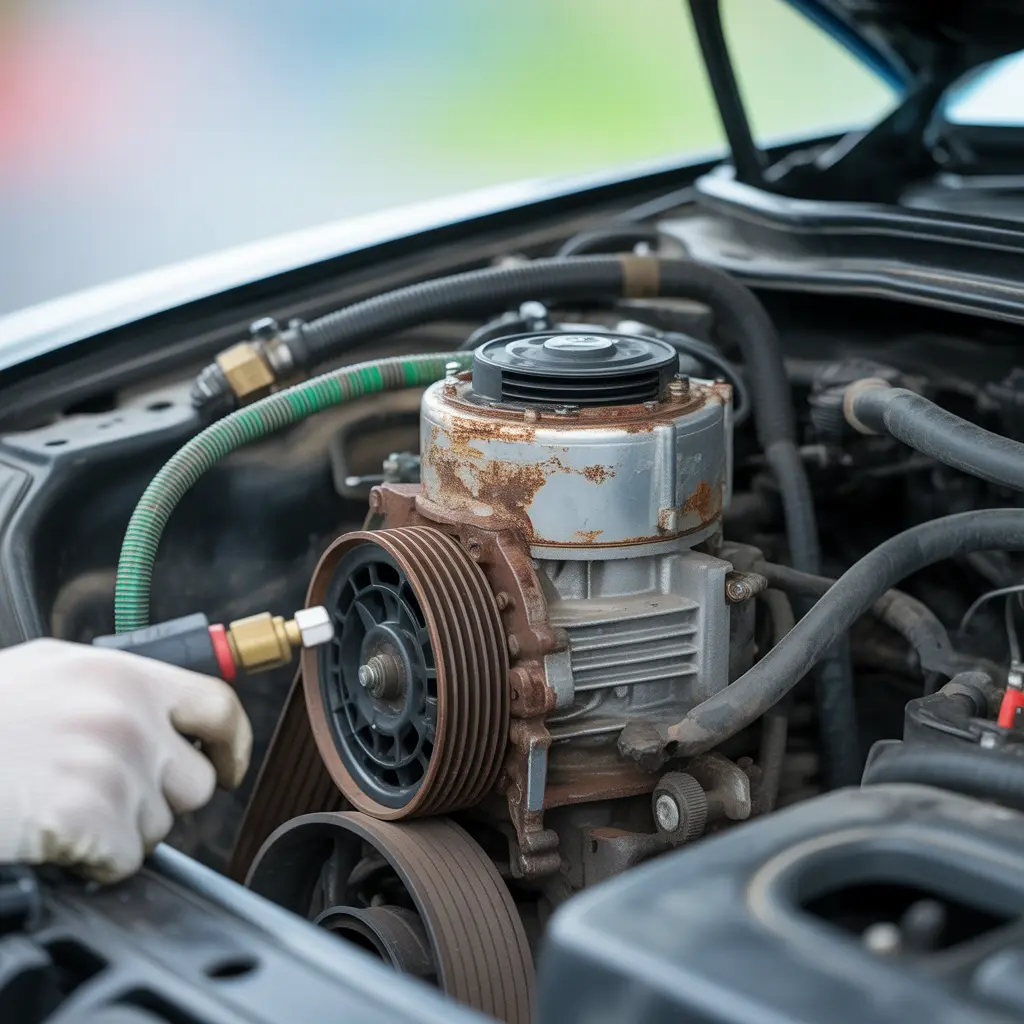
The AC compressor is the heart of that system. When it fails, cooling stops completely, leaving you sweating in traffic with no relief when looking for a reliable car AC repair service in Dubai.
Understanding what causes compressor failure is the first step to avoiding costly breakdowns and ensuring a chilled, comfortable ride all year round.
What Does a Car AC Compressor Do?
The AC compressor is often described as the “heart” of the air conditioning system. It is responsible for pressurizing and circulating the refrigerant, which absorbs and releases heat as it moves through the system.
Essentially, the compressor kick starts the cooling cycle by drawing in low-pressure refrigerant gas, compressing it, and pushing it through the system to release heat outside the cabin.
Without a properly functioning compressor, the refrigerant cannot circulate, and the cooling process breaks down completely. That’s why even minor compressor issues can lead to major discomfort, especially in Dubai’s relentless heat.
Common Reasons Why Your Car AC Compressor Stops Working
When your AC suddenly stops working, the compressor is usually to blame. Here are the most common culprits behind compressor failure:
1. Low Refrigerant Levels
Low refrigerant often results from small leaks in the AC system. When the refrigerant level drops too low, the compressor must work harder to pressurize the limited fluid, leading to overheating or seizing.
Many modern compressors also come with low-pressure sensors that shut the system down entirely to prevent damage.
2. Electrical Issues
Faulty wiring, blown fuses, or damaged sensors can disrupt power to the compressor. Since compressors rely on electric control signals to operate efficiently, any issue in the electrical system, like a corroded relay or a short circuit, can prevent it from turning on altogether.
3. Contaminated Refrigerant
Mixing incompatible refrigerants or using low-quality ones can introduce contaminants into the AC system. These foreign particles can clog internal components and damage the compressor’s valves and bearings, eventually leading to complete failure.
4. Clutch or Bearing Failure
The compressor clutch allows the compressor to engage and disengage from the engine’s power. If the clutch wears out or the bearing seizes, the compressor may stop spinning or get stuck in a disengaged state. This results in no refrigerant flow and a non-functional AC.
5. Overheating
Dubai’s extreme heat strains your vehicle’s components, especially the AC system. If your engine frequently overheats, it can cause the compressor to run at higher-than-safe temperatures, weakening its internal parts over time and eventually leading to breakdowns.
6. Lack of Lubrication
The compressor needs a specific amount of oil to function properly. Suppose oil levels drop due to a leak or improper servicing. In that case, the moving parts inside the compressor face metal-on-metal friction, which can cause irreversible damage or complete unit seizing.
7. Blocked or Dirty Condenser
A clogged condenser can prevent proper heat dissipation, causing excessive pressure buildup in the AC system. This back pressure forces the compressor to operate under abnormal conditions, reducing efficiency and accelerating wear.
Signs That Your AC Compressor Might Be Damaged
Some telltale signs can confirm your suspicion if you suspect a failing compressor. Here are the most common indicators:
- Weak Airflow: You may feel air blowing, but it’s not cold or strong—indicating reduced refrigerant circulation.
- Loud Noises: Grinding, squealing, or rattling sounds from the AC system can point to internal compressor damage.
- Hot Air: When your AC blows warm air, the compressor may not function.
- AC Clutch Not Engaging: The compressor isn’t doing its job if the clutch fails to engage when the AC is turned on.
- Visible Leaks: Patches of oily fluid near the front of your engine bay might indicate refrigerant or compressor oil leaks.
Solutions: How to Fix a Failing AC Compressor
If your compressor is acting up, don’t panic—there are effective solutions based on the specific issue:
1. Refrigerant Recharge and Leak Repair
Low refrigerant can be addressed by topping it up, but finding and fixing the leak first is critical. Recharging the system without sealing leaks will only provide temporary relief and could further harm the compressor.
2. Electrical Diagnostics and Repair
An AC specialist can perform a detailed diagnostic of your car’s electrical system to trace and fix wiring faults, blown fuses, or failed relays. Fixing these small issues can bring your compressor back to life.
3. Clutch or Bearing Replacement
If the compressor clutch or its bearings are the issue, they can often be replaced without changing the entire unit. This cost-effective repair can restore full compressor function if done early.
4. Flush and Refill with Clean Refrigerant
Contaminated refrigerant needs to be flushed out, followed by refilling with the correct refrigerant and compressor oil. This prevents further internal damage and ensures optimal cooling.
5. Complete Compressor Replacement
In severe cases, such as internal seizing or mechanical failure, the only option may be a full compressor replacement. It’s a more expensive solution but ensures long-term performance and comfort, especially in extreme heat.
Tips to Prolong the Life of Your AC Compressor
Preventive maintenance can significantly extend the life of your AC compressor. This is where following AC maintenance tips can be helpful.
Always schedule regular AC checkups, especially before the peak summer season. Ensure to use the AC system even in winter, as it helps keep the compressor lubricated and prevents it from seizing due to inactivity.
Avoid using the AC when refrigerant levels are low, and never delay small repairs like minor leaks or electrical faults. Clean your condenser periodically to prevent blockages, and ensure that only the manufacturer-recommended refrigerant and oil are used during service.
These simple precautions can keep your AC compressor in top shape for years.
Conclusion
The AC compressor is vital in keeping your car cool and comfortable, especially in Dubai, where the sun shows no mercy.
Understanding the common reasons behind compressor failure, recognizing the early warning signs, and acting on them promptly can save you from major repair bills and unbearable rides in the heat. Whether it’s a simple electrical fault or a more serious internal breakdown, timely diagnosis, and expert repair can make all the difference.
Stay Cool with Desire Auto Service
If your car’s AC isn’t working as it should, Desire Auto Service is here to help. Our car garage in Dubai specializes in diagnosing and repairing AC compressor issues across all car makes and models.
Don’t wait for the summer heat to strike. Book your AC inspection today and experience cool comfort on every drive!